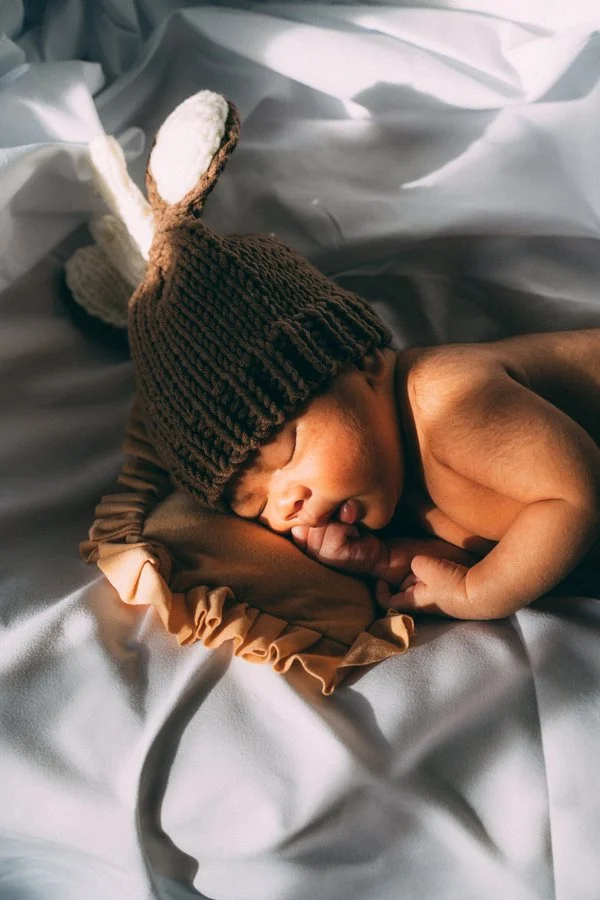
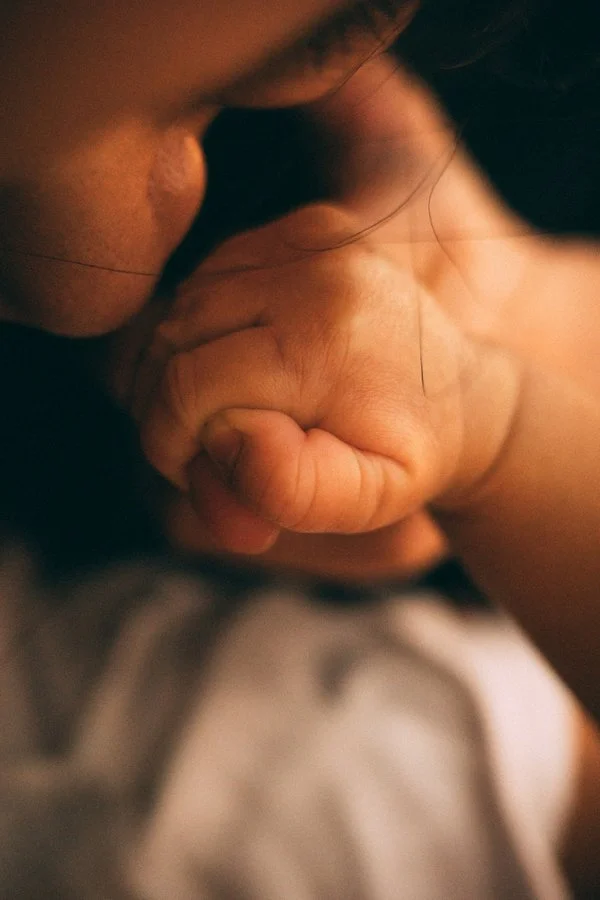
The first few weeks with a new baby are a blur of sleepless nights, overwhelming love, and moments that pass faster than you can take them in. Newborn photography captures this fleeting chapter in a way that nothing else can — the impossibly tiny fingers, the curled-up poses, the quiet intimacy of a new family finding its rhythm.
I have more than fifteen years behind the camera and have been based in Southampton since 2022. This guide brings together the practical details families ask about most, from when to book your newborn session to what happens on the day and how to prepare without adding pressure to an already busy time.
When Is the Best Time for Newborn Photos?
The ideal window for newborn photography is between five and fourteen days after birth. During this period, babies are at their sleepiest, most flexible, and most likely to curl into those beautiful, natural poses that define newborn portraiture.
Why Five to Fourteen Days?
In the first two weeks of life, babies sleep deeply and frequently. They are still accustomed to the compact, curled position they held in the womb, which means they settle naturally into the tucked, peaceful poses that parents love. Their skin is also beginning to settle — any newborn redness or dryness has usually started to calm, while the delicate, translucent quality of new skin remains.
After two weeks, babies become more alert, their reflexes sharpen, and they are less willing to be gently repositioned. This does not mean that beautiful photographs cannot be taken after the two-week mark — they absolutely can — but the style of the session shifts from posed newborn work to a more lifestyle, awake-baby approach. Both are lovely, but if the classic sleepy newborn aesthetic is important to you, aim for that five-to-fourteen-day window.
What About Premature or NICU Babies?
If your baby arrives early or spends time in hospital, do not worry about missing the window. We will work together to find the right time once your baby is home and settled. Every baby is different, and I adapt my approach to suit your specific situation. The priority is always your baby’s comfort and your family’s wellbeing.
When Should You Book Your Newborn Session?
The short answer is during your pregnancy — ideally during your second trimester, around twenty to twenty-eight weeks. Newborn sessions are time-sensitive, and because the ideal photography window is so narrow, I reserve provisional dates based on your due date.
Here is how the booking process typically works:
- During pregnancy (20-28 weeks): Contact me to reserve your provisional date. I will block out a two-week window around your due date.
- When baby arrives: Send me a text or email. We will confirm the exact session date, usually within the first week.
- Five to fourteen days after birth: We hold the session, usually in your home or with an indoor or studio-style setup agreed before booking.
Booking early ensures you have a guaranteed spot. Newborn photography requires careful scheduling, and I limit the number of sessions I take each month to ensure every family receives my full attention.
Contact me to book your newborn session, or visit my pricing page to see what is included.
Indoor Setups vs Home Sessions
Most newborn sessions take place at home, and an indoor or studio-style setup can be arranged when it better suits the look you want.
Indoor or Studio-Style Sessions
A simple indoor or studio-style setup can be arranged when you prefer a more controlled look. We agree the location, setup, and any venue costs before you book, so you know exactly what to expect.
This option works well for clean, posed portraits and detailed close-up photographs with a consistent background and lighting style.
Home Sessions
Home sessions capture your new family in your own environment. I photograph baby in the nursery, on your bed, in the living room — wherever feels natural and comfortable. The style is more relaxed and documentary, with a focus on connection between family members rather than posed setups.
Home sessions work beautifully for families who want images that feel authentic and personal. They also eliminate the need to travel with a newborn, which many new parents appreciate.
Both options include parent and sibling photographs alongside the individual baby portraits.
Preparing Your Home
You do not need a show-home for an in-home session. A few simple preparations give us flexibility while keeping the experience relaxed:
- Find the best natural light: The room with the largest window is often the best starting point. A bedroom, living room, or nursery can all work well.
- Clear only the immediate area: Moving small items from a bed, sofa, or window ledge is usually enough. There is no need to tidy the whole house.
- Keep the room comfortable: Newborns can cool quickly when changing wraps or clothing, so keep the room at a comfortable temperature and have an extra blanket nearby.
- Keep meaningful details: The nursery, a favourite blanket, or a family heirloom can give the photographs personal context.
How to Prepare Your Baby for the Session
Preparation is about keeping your baby comfortable and giving the session enough time to follow their normal rhythm.
The Day Before
- Follow your baby’s usual routine. There is no need to force a different sleep schedule for the photographs.
- Plan for feeding breaks. Feed your baby when they need it; the session includes time for winding, settling, and pauses.
On the Day
- Feed baby as usual. I always build in time for feeding, winding, and settling at the beginning.
- Bring extra nappies, wipes, and a change of clothes. Newborns are unpredictable, and we plan for that.
- Dress baby in something easy to remove — a simple button-front vest or zip-up sleepsuit. Avoid anything that needs to go over the head, as that tends to wake babies up.
What to Bring to an Indoor Session
- Nappies and wipes (plenty of them)
- A prepared bottle or plan to breastfeed on arrival
- A dummy or pacifier if your baby uses one
- Any special blankets or items with sentimental value that you would like included
- A change of clothes for yourselves (in case of any newborn surprises)
- Snacks and water for parents — sessions can last two to three hours
What Should Parents Wear?
For the parent and family portions of the session, I recommend simple, neutral clothing that will not distract from the baby.
Colours that work well:
- White, cream, oatmeal, soft grey
- Muted earth tones — beige, stone, sage
- Light denim
What to avoid:
- Bold patterns, logos, or graphic prints
- Very bright or neon colours
- All black (it can look heavy against a newborn’s delicate skin)
Keep it simple. The focus is on your baby and the connection between you as a family. Clothing should fade into the background.
For mums, a flowing top or soft wrap works beautifully. For dads, a plain t-shirt or henley in a neutral tone. If you have older children joining the session, the same principles apply — soft colours, comfortable fabrics, bare feet.
If you have recently given birth and do not feel camera-ready, please do not put pressure on yourself. Parent portraits can be close and simple, focusing on hands, expressions, and the connection with your baby. I will guide you into positions that feel comfortable.
What Happens During the Session
A typical newborn session lasts between two and three hours. That may sound long, but it allows generous time for feeding, settling, nappy changes, and the gentle patience that newborn photography demands.
Sample Session Timeline
0:00 — Arrival and Settling You arrive at the agreed indoor location (or I arrive at your home). We chat, I meet your baby, and you feed and settle them. This is not wasted time — it is essential for helping your baby feel comfortable and settled.
0:30 — Individual Baby Portraits Once baby is settled and sleeping, I begin with individual portraits. These include wrapped poses, detail shots of hands and feet, and natural curled poses. I work slowly and gently, always prioritising safety and comfort.
1:15 — Parent Portraits I invite parents in for photographs with baby. These tend to be close, intimate images — hands cradling baby, baby resting on a parent’s chest, the quiet moments of connection that define early parenthood.
1:45 — Sibling Portraits If there are older siblings, this is when they join. I keep sibling sessions brief and relaxed, working with the child’s energy level rather than against it. Natural, genuine interactions are what we are after.
2:00 — Detail Shots and Final Setups We finish with close-up detail shots — eyelashes, lips, tiny toes, the curve of an ear. These are the images that capture how impossibly small your baby was, and they become more precious with every passing year.
2:30 — Wrap Up We finish up, and you are free to feed and re-dress baby. I will talk you through the next steps for viewing and selecting your images.
This timeline is a guide, not a rigid schedule. Babies set the pace, and I follow their lead. If they need an extra feed or a longer settling period, we simply adjust. There is never any rush.
Safety During the Session
Baby safety is my absolute priority, and it underpins every decision I make during a newborn session.
- Temperature: The room is kept comfortably warm, with changes made if your baby shows any sign of discomfort.
- Handling: Every pose is gentle and supported. I never force a baby into a position or rely on a newborn to support their own weight.
- Props: Baskets, wraps, and other items are checked before use and must be stable, smooth, and suitable for the setup.
- Hygiene: All wraps, blankets, and props are freshly laundered before each session. I wash and sanitise my hands and clean the working surfaces.
- Supervision: A parent stays close throughout the session and can pause or stop any setup at any time.
- Composite images: Any photograph that shows a baby in an unsupported position — such as the classic head-in-hands pose — is a composite of two or more images, merged in post-production. The baby is safely supported by a parent’s hands in every frame, and those hands are then edited out. Safety is never compromised for a photograph.
Tips for Natural, Relaxed Poses
The most beautiful newborn photographs look effortless, as though the baby simply drifted into a perfect position. In reality, achieving these poses takes patience, gentle technique, and an understanding of newborn behaviour.
Here are a few things that help:
- White noise: I use white noise during sessions to soothe babies and maintain deep sleep. The sound mimics the womb environment and works remarkably well.
- Warmth: A warm environment keeps muscles relaxed and babies settled. I use a small heater near the posing area when needed.
- Patience: Some babies settle quickly. Others need more time. I never rush a pose or force a position. If a baby resists, we move on and try again later.
- Gentle transitions: I move slowly between setups, keeping physical contact and warmth constant. Sudden movements or temperature changes are the main things that wake sleeping newborns.
The best results come from working with the baby, not against them. Every session is unique, and I adapt my approach to suit each individual baby’s temperament.
What Happens After the Session
Within two to three weeks of your session, I will share a private online gallery where you can view all of your edited images. From there, you can select your favourites for prints, albums, or digital downloads.
I also offer a range of fine art prints, framed pieces, and albums that are designed to showcase newborn images at their best. These make wonderful gifts for grandparents and family members.
Book Your Newborn Photography Session
If you are expecting a baby and would like to capture those precious first days, I would love to hear from you. The best time to book is during your second trimester, so get in touch early to reserve your date.
Visit my newborn photography page to see examples of recent sessions, or take a look at my pricing guide to understand what is included. And if you have any questions at all — about timing, preparation, or what to expect — please do not hesitate to reach out. I am always happy to chat.