Your wedding day is one of the most significant days of your life, and the photographs are what you will return to again and again in the years that follow. With more than fifteen years behind the camera and a Southampton base since 2022, I have learned that the best wedding photographs are not the result of luck — they are the result of thoughtful preparation.
This guide covers everything you need to know about preparing for your wedding photography, from building a realistic timeline to communicating with your photographer and making the most of golden hour.
Start with the Timeline
The single most important factor in wedding photography is time. Beautiful photographs need adequate time, and a rushed schedule is the enemy of relaxed, natural-looking images.
When building your day’s timeline, work backwards from your ceremony time and consider these photography blocks:
Getting ready (1.5—2 hours before ceremony) This is where the story begins. I document the details — shoes, rings, flowers, the dress hanging by the window — alongside the candid moments of preparation. Hair being finished, a parent helping with buttons, the first look in the mirror. These quiet, intimate moments often become favourites.
Couple portraits (30—45 minutes) Whether you choose a first look or wait until after the ceremony, allocate at least thirty minutes of dedicated time for couple portraits. This is your time together, away from guests, to breathe and be photographed in beautiful light.
Group photographs (20—30 minutes) Formal group shots are important, but they do not need to consume the day. With a clear shot list and efficient organisation, we can move through groups quickly.
Reception coverage (throughout) Speeches, the first dance, candid moments at tables — these happen naturally and I capture them unobtrusively.
A typical eight-hour coverage day might look like this:
- 13:00 — Arrive, document getting ready
- 14:30 — Ceremony
- 15:15 — Confetti and drinks reception
- 15:45 — Group photographs
- 16:15 — Couple portraits
- 17:00 — Wedding breakfast
- 18:30 — Speeches
- 19:30 — Golden hour couple portraits (if timing allows)
- 20:00 — First dance and evening
First Look vs Traditional Reveal
One of the biggest decisions couples face is whether to see each other before the ceremony (a first look) or wait for the traditional aisle reveal.
First Look Benefits
A first look gives you a private, emotional moment before the day sweeps you up. I find that couples who do a first look are often more relaxed during the ceremony because they have already processed the initial wave of emotion. It also opens up the timeline considerably — we can do couple portraits before the ceremony, freeing up the afternoon for time with guests.
Traditional Reveal Benefits
There is something undeniably powerful about seeing each other for the first time at the ceremony. The reactions are genuine and unfiltered, and the photographs from that moment carry an electricity that is hard to replicate. If the traditional reveal matters to you, I fully support that choice.
Neither option is better. It is entirely a matter of what feels right for you as a couple.
Building Your Shot List
A shot list ensures that the photographs you care about most are captured. However, there is a balance between planning and over-planning. A list of two hundred specific poses will create stress; a list of key moments and groups will create confidence.
Must-Have Moments (These Happen Naturally)
- Getting ready details and candid preparation
- Walking down the aisle
- The ceremony (vows, rings, first kiss)
- Confetti exit or petal toss
- Couple portraits in beautiful light
- The first dance
- Speeches and reactions
Group Shot List (Plan This Carefully)
Compile a list of the group combinations you want, and appoint someone (a best man, usher, or wedding planner) who knows all the people involved. This person will gather groups while I set up each shot, keeping the process efficient.
A typical list might include:
- Couple with bride’s parents
- Couple with groom’s parents
- Couple with both sets of parents
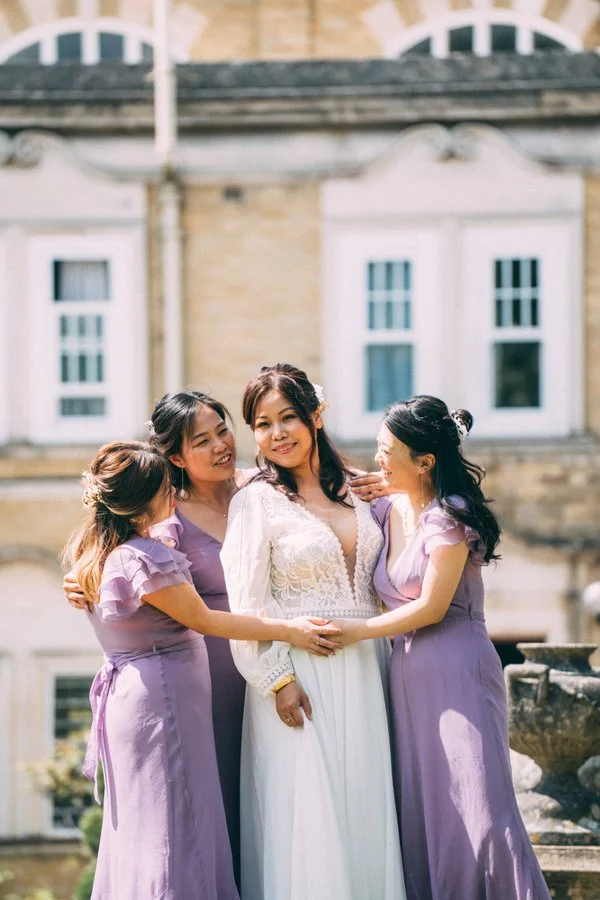
- Couple with bridesmaids
- Couple with groomsmen
- Full wedding party
- Couple with bride’s family
- Couple with groom’s family
- Couple with grandparents
Keep the list to eight to twelve groups maximum. Beyond that, the process becomes tiring for everyone, and the energy drops noticeably in later shots.
Communicating with Your Vendors
Your photographer does not work in isolation. Good wedding photography requires coordination with several other vendors, and clear communication makes a significant difference.
Your Wedding Planner or Coordinator
Share the photography timeline with your planner so they can build it into the master schedule. Flag any moments that are particularly important to you — if great-grandmother is only staying until 16:00, we need to schedule her group shot early.
Your Venue
Some venues have restrictions on where photography can take place, or specific times when certain spaces are available. I always recommend a venue visit before the wedding to scout locations and understand the light at different times of day. I am happy to do this independently or with you.
Your Florist and Stylist
Let your florist know that the bouquet and details will be photographed. Arrange for flowers to be delivered with enough time for me to capture them before they are picked up by the bridal party. Similarly, let your hair and makeup artist know the timeline so they can finish with enough buffer for photography.
Making the Most of Golden Hour
Golden hour — the period roughly one hour before sunset — produces the most flattering, warm, and romantic light of the day. If your timeline allows, I always recommend stepping away from the reception for fifteen to twenty minutes during golden hour for couple portraits.
This requires planning. Check the sunset time for your wedding date and work backwards. If the sun sets at 20:30 in June, golden hour begins around 19:30. If it sets at 16:15 in December, you will want to be ready by 15:15.
The golden hour portraits are often the hero images of a wedding gallery. The light is directional and warm, skin tones glow, and the atmosphere is inherently romantic. Even a brief ten-minute session during this window can produce extraordinary results.
What if it Rains?
Rain on your wedding day is not a disaster for photography. Overcast skies produce even, flattering light with no harsh shadows. I carry umbrellas and know every covered vantage point at venues across Southampton and Hampshire. Some of my most dramatic wedding images have been taken in the rain — there is a raw, cinematic quality to it that sun alone cannot provide.
Detail Shots Worth Preparing
The small details you have spent months choosing deserve to be documented. Here is how to help me capture them at their best:
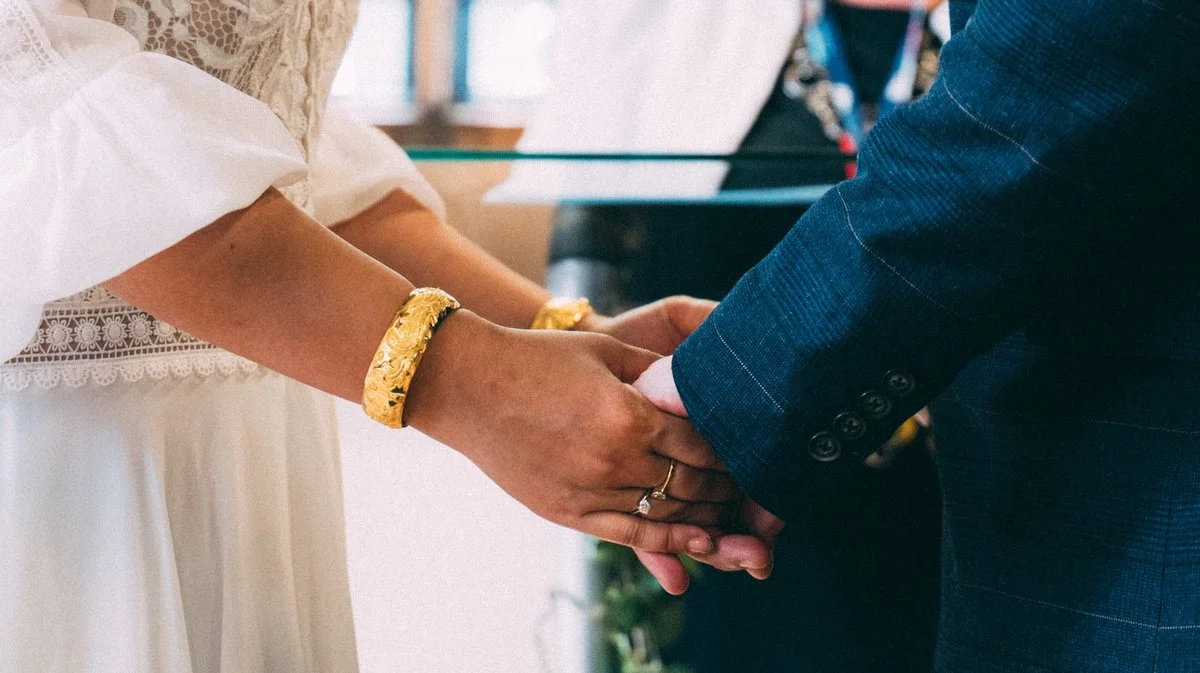
- Rings: Have them accessible early, ideally together. A ring box or textured surface to place them on helps
- Shoes: Place them by a window for natural light
- Invitations and stationery: Bring a flat lay collection — invitation, menu card, place cards, vow booklets
- Perfume and accessories: Group personal items together for a cohesive detail shot
- The dress: Hang it somewhere with good light and a clean background. A wooden hanger is more photogenic than a plastic one
The Week Before: A Checklist
In the final week before your wedding, confirm the following:
- Photography timeline shared with planner and key vendors
- Group shot list finalised and shared with your designated organiser
- Sunset time checked and golden hour planned
- Getting ready location has good natural light (near large windows)
- Venue visit completed or venue map reviewed
- Detail items gathered and accessible
- Emergency contact numbers exchanged with photographer
- Weather backup plan discussed
Trust the Process
After all the preparation, the most important thing you can do on your wedding day is be present. Let the emotions happen. Laugh, cry, dance, hold hands. My role is to document the real, unscripted moments — and those happen when you stop thinking about the camera and start living the day.
If you are planning your wedding and would like to discuss how I can document your day, I would love to hear from you. Get in touch or explore my wedding photography page to see examples of my work.