There is a photograph on my desk from my grandmother’s wedding in 1962. Everyone is facing the camera. No one is smiling — that was not the convention then. The composition is formal, the exposure is slightly off, and the print has yellowed at the edges. I treasure it, but I know almost nothing about what that day actually felt like.
Contrast that with a photograph I took last year at a wedding in Hampshire. The bride is mid-laugh, one hand on her husband’s chest, the other holding a glass of champagne. Her father is visible in the background, wiping his eyes with a handkerchief. The light is warm and directional, catching the edge of her veil. You can almost hear the laughter.
That is the difference between a photograph and a story.
What Is Storytelling Photography?
Storytelling photography — sometimes called documentary or photojournalistic photography — is an approach that prioritises genuine moments over directed poses. Rather than arranging people into positions and asking them to smile, I observe, anticipate, and capture the real interactions, emotions, and connections that unfold naturally.
This does not mean I never direct. There are moments — couple portraits, family groupings, bridal preparations — where gentle guidance produces beautiful results. But even in those directed moments, my aim is to create the conditions for something real to happen, rather than manufacturing a moment that does not exist.
The best photographs from any session are almost always the ones that were not planned. The look between a couple when they think no one is watching. A child running towards a parent with arms outstretched. A grandmother touching a bride’s face before the ceremony. These are the moments that make people cry when they see them in their gallery — and they cannot be posed.
The Problem with Over-Posing
There is a place for posed photography. Formal group shots, corporate headshots, and certain editorial styles require direction. But when posing becomes the dominant approach to an entire session or wedding day, something important is lost.
Over-posed photographs often suffer from:
Uniformity. When every image follows the same formula — face the camera, tilt the chin, smile — the gallery becomes repetitive. Every couple looks the same. Every family session produces the same frames. There is nothing that uniquely identifies these as your photographs.
Disconnection. When people are focused on holding a pose, they disconnect from each other. A couple standing back-to-back looking over their shoulders might create a dramatic silhouette, but it tells you nothing about their relationship. A couple walking hand-in-hand, unaware of the camera, tells you everything.
Tension. Most people are not models. Being asked to hold specific positions, angles, and expressions for extended periods creates physical and emotional tension. That tension shows in the final images — stiff shoulders, forced smiles, awkward hand placement. The photographs technically exist, but they do not breathe.
Short shelf life. Heavily posed images are often driven by trends. The poses that are popular on social media today will look dated in five years. Documentary images, because they capture universal human emotions, remain timeless.
What Storytelling Looks Like in Practice
Let me walk through how a storytelling approach works in different types of sessions.
At a Wedding
On a wedding day, I arrive early and begin documenting the preparation — the details, the getting-ready process, the quiet conversations between the bride and her mother. I am present but unobtrusive. People quickly forget I am there, and that is when the best moments happen.
During the ceremony, I position myself where I can capture both the couple and the reactions of their guests. The exchange of vows, the ring being placed, the first kiss — these are photographed as they happen, not recreated afterwards.
At the reception, I move through the room, reading the energy. I anticipate the father who is about to stand for his speech, the best man who is nervously fidgeting with his notes, the grandmother who is quietly watching the first dance with tears in her eyes. These are the images that tell the full story of the day.
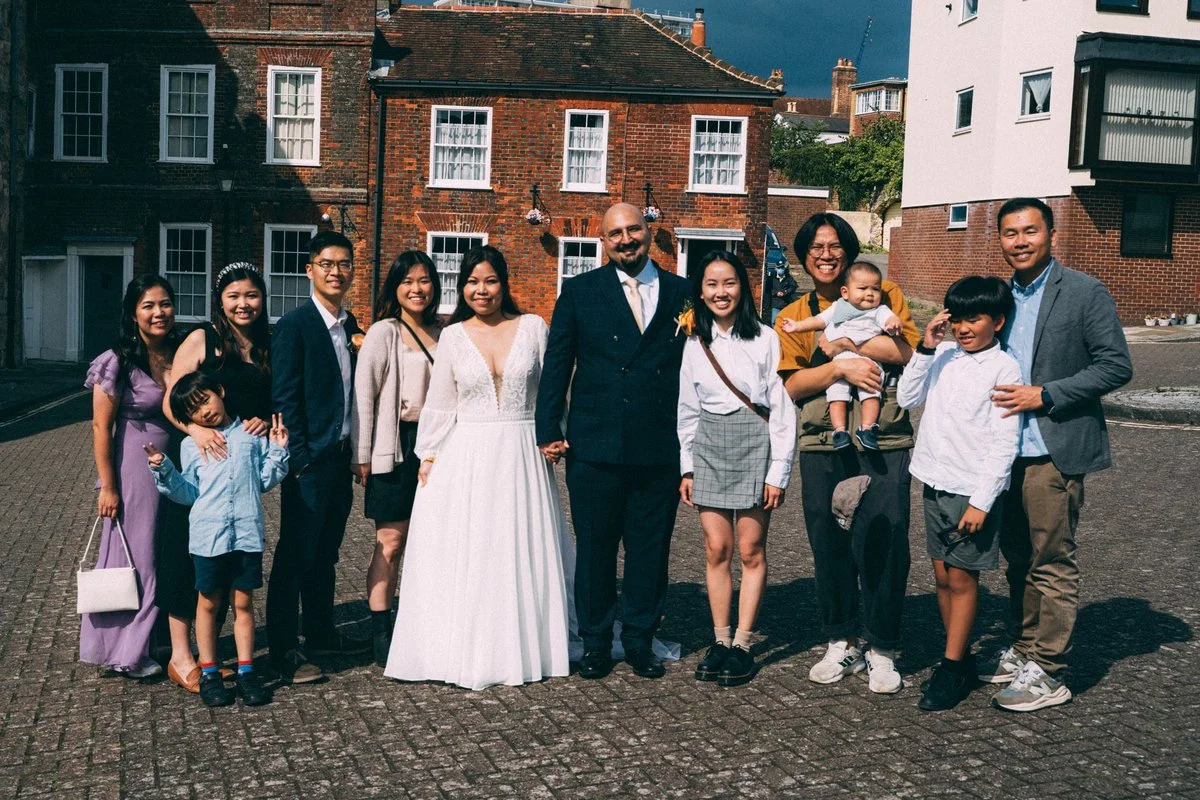
Yes, we will step away for couple portraits during golden hour. Yes, we will gather the families for group photographs. But these directed moments make up perhaps twenty percent of the coverage. The other eighty percent is pure documentation — real life, beautifully observed.
During a Family Session
Family storytelling does not mean pointing the camera at a park and hoping for the best. It means creating an environment where natural interactions happen and then capturing them as they unfold.
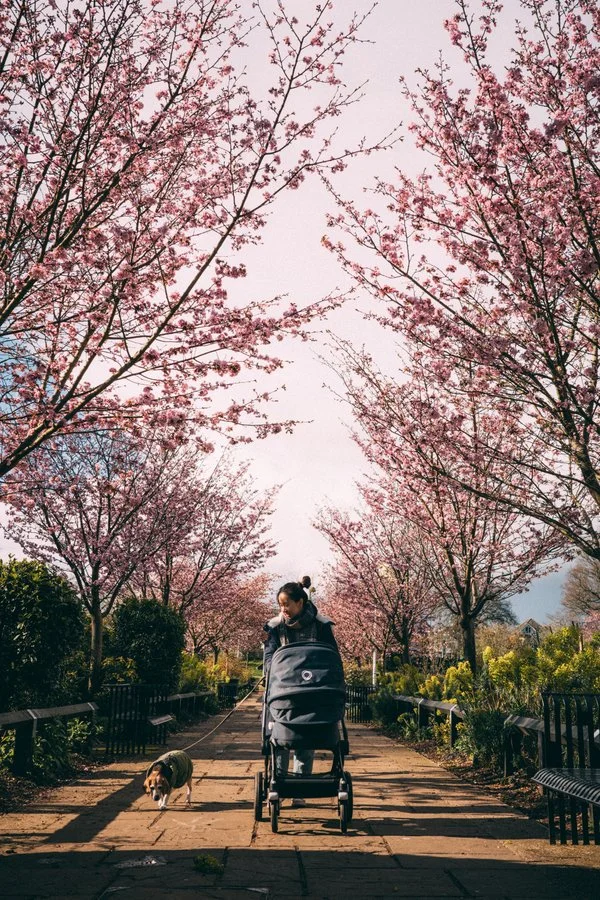
I might suggest a walk along the beach, or a game in the park, or simply sitting on a blanket together. Within these activities, the real moments emerge — a toddler handing a leaf to their father, siblings chasing each other through autumn leaves, a mother scooping up a child and burying her face in their neck.
I guide gently: “Walk towards me and chat about your weekend.” “Sit together and tell your daughter something funny.” The result is not a posed photograph — it is a real moment that was given space to happen.
In Portrait and Branding Sessions
Even in more structured sessions like personal branding or professional portraits, storytelling has a role. Rather than a series of identical headshots with different background colours, I aim to create a narrative around who you are and what you do.
For a chef, that might mean photographing them in their kitchen, hands covered in flour, focused on their craft. For a fitness trainer, it could be a sequence of images showing them coaching a client, the energy and passion visible in every frame. For a small business owner, it might be capturing the workspace, the tools of the trade, and the person behind the brand in their element.
These images are not just photographs. They are visual stories that communicate identity, values, and personality.
The Emotional Value of Real Moments
I have delivered thousands of galleries over the course of my career, and I have noticed a consistent pattern in which images clients respond to most strongly.
It is almost never the technically perfect, beautifully lit, precisely composed image that makes them emotional. It is the candid shot they did not know existed. The one where they were not looking at the camera. The moment between the moments.
A mother once told me that the photograph she treasures most from her wedding is one where she is adjusting her daughter’s hair before the ceremony. She did not know I had taken it. When she found it in the gallery, she cried — not because the photograph was technically stunning, but because it captured a real moment of tenderness that she had been too busy to consciously remember.
That is the power of storytelling photography. It gives you back moments you lived but did not have time to hold onto.
Posed vs Documentary: It Is Not All-or-Nothing
I want to be clear: I am not opposed to direction or guidance. A skilled photographer knows when to step back and observe and when to step forward and orchestrate. The best sessions combine both approaches.
What I advocate against is an exclusively posed approach — one where every frame is constructed rather than discovered. When the entire session is a series of manufactured positions, the gallery lacks emotional depth. It is technically proficient but emotionally flat.
My approach, developed over more than fifteen years behind the camera, balances documentary observation with intentional moments of direction. The result is a gallery that includes:
- Hero images: Beautifully lit, thoughtfully composed portraits where I have guided you into great light and flattering positions
- Emotional moments: Candid captures of genuine interaction, laughter, tears, and connection
- Detail stories: The small, meaningful details that set the scene and anchor the narrative
- Transitional moments: The in-between frames that give the gallery a sense of flow and sequence
Together, these create not just a collection of photographs, but a complete story of who you are and what this moment in your life felt like.
Why This Matters in the Long Term
Photographs are time machines. Twenty years from now, when you open your wedding album or scroll through your family gallery, you will not care about the perfectly symmetrical pose. You will care about the look on your partner’s face. The way your child laughed. The feeling of that particular afternoon.
Storytelling photography is an investment in memory — real, honest, emotionally rich memory. It captures not just what happened, but how it felt.
If this approach resonates with you, I would love to hear about your story. Get in touch to discuss your session, or browse my portfolio to see storytelling in action.